

Aerial thermographic building inspection: Nagel-Group relies on drones fitted with thermal imaging cameras
At first glance, the roof of a logistics centre usually seems rather unremarkable. Yet it is precisely there that important information about the condition of the building can be gleaned. Using drones fitted with thermal imaging cameras, the Nagel-Group carries out thermographic surveys of its logistics properties. This reveals temperature differences. In future, this technology is set to support building inspections at more than 130 sites across Europe and provide additional information on roofs, façades and technical systems.
Whether cold stores, deep-freeze warehouses or transhipment halls: logistics properties form the basis for the safe storage and reliable flow of goods in food logistics. At the same time, they are constantly exposed to the elements, temperature fluctuations and mechanical stresses. Regular and, as comprehensive as possible, inspections of the buildings are therefore a key component of property management.
Thermographic inspection using drones expands the scope of what can be achieved during these inspections. “Using a drone, we can quickly obtain a very detailed overview of a property’s condition on site. This helps us to investigate thermal anomalies in a targeted manner and take the necessary action at an early stage,” explains André Pleines, Executive Director of Real Estate at the Nagel-Group.
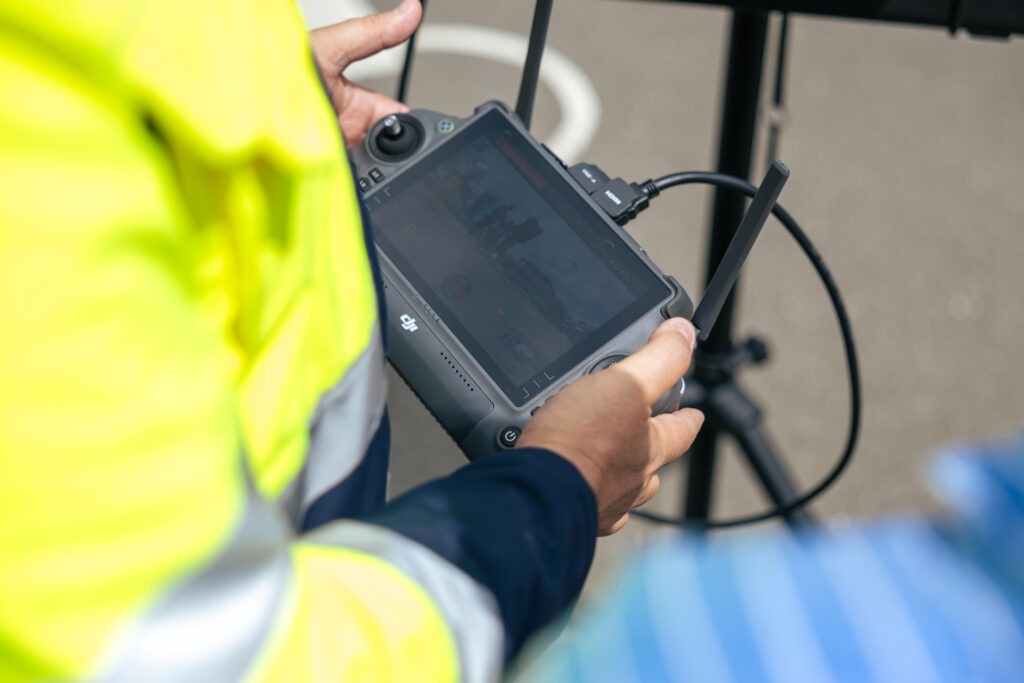 Identifying weak points at an early stage
In cold stores and deep-freeze warehouses, the building envelope plays a central role. It helps to maintain stable temperature conditions inside. A thermal imaging camera detects the infrared radiation emitted by surfaces and displays different temperature ranges as a thermal image.
The images can be used, for example, to identify thermal anomalies around skylights, seals or junctions between the roof, walls and façade elements. Such areas can be examined in more detail and, if necessary, investigated further. In this way, thermography supports predictive maintenance and helps to keep a constant eye on the condition of the building.
Greater safety during inspections
In addition to thermography, the drone also assists with conventional building inspections. Weighing around four kilograms, the drone is equipped with a high-performance zoom camera. This allows objects to be magnified up to 200 times from a safe distance. The high-resolution images thus provide additional insights and supplementary information for assessing a site.
In addition, a wide-angle camera and a laser rangefinder are used. Automated flight paths enable the systematic surveying of large roof areas within a few minutes. A building with an area of several thousand square metres can be fully documented without staff having to access the roof. This not only improves health and safety but also facilitates the inspection of hard-to-reach areas.
Before each mission, the weather conditions, the flight environment, potential obstacles, the movement of people and vehicles, and safety-critical areas are assessed. The drone flights are carried out in accordance with applicable legal requirements, internal safety standards and data protection regulations.
“Before anyone steps onto a roof, we can first use the drone to check whether any action is required at all. This saves time whilst also improving safety,” says André Pleines.
Inspecting a 10,000 m² building yields up to 5,000 individual images. Specialised software then combines the images to create high-resolution overviews. This produces detailed data sets that enable precise analysis and provide those responsible with specific guidance on necessary repair or maintenance measures.
The resulting image, thermal imaging and measurement data are then documented in a structured manner, preliminarily assessed and made available to the relevant specialist departments for further review. This creates a transparent basis for maintenance, refurbishment planning, budgeting and property audits.
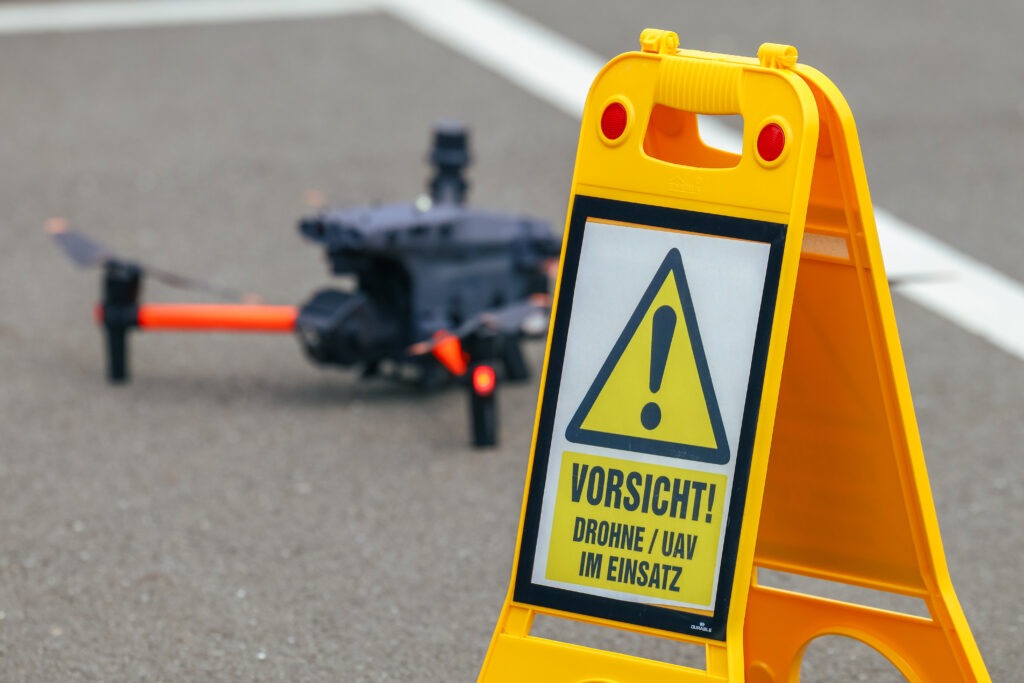 Part of the property strategy
Since early 2026, the real estate team has already inspected 19 Nagel-Group sites using a drone. The insights gained from this are increasingly being incorporated into the valuation and maintenance of the properties. In future, the Nagel-Group intends to systematically integrate drone inspections into its real estate audits. Regular surveys provide transparency regarding the condition of the buildings and offer a valuable data foundation for long-term investment decisions.
Furthermore, the data obtained opens up further possibilities. In addition to thermal imaging, the systems are already capable of creating highly precise 3D models of buildings and sites. In the long term, the Nagel Group aims to create digital twins of its properties in order to further optimise documentation and planning.
Photovoltaic systems also offer additional applications. Thermographic surveys can reveal anomalies in modules and assist in identifying potential maintenance requirements.